
Living in a combative manufacturing environment, having a choice of the right power press machine is typically for effective efficiency and cost control. Two common types of presses are, mechanical power presses and servo-driven presses, provide various benefits depending on the production needed. This blog will discover the key differences between mechanical and servo press machines, helping you make an informed decision that aligns with your operational goals and budget.
Understanding Power Press Machine
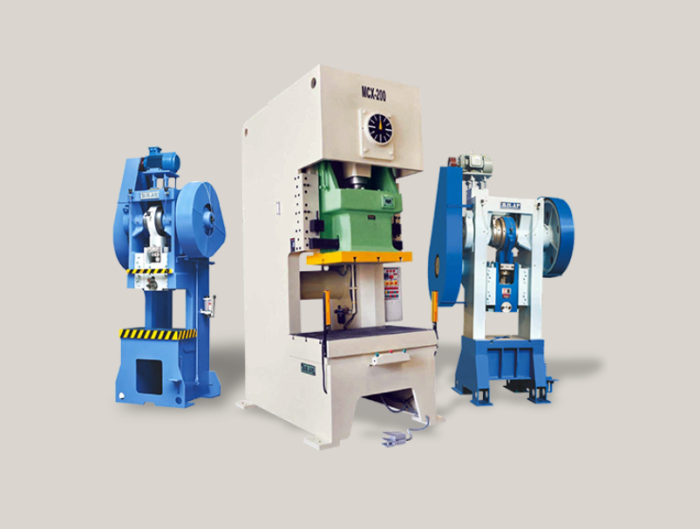
A power press is a mechanical device used for cutting, shaping, and arranging metal by applying pressure. They are commonly used in industries such as automotive, aerospace, appliance manufacturing, and metal fabrication.
There are two main types of power presses:
- Mechanical Power Press
- Servo-Driven Power Press
Each has its own working rules, advantages, and best-use scenarios.
Servo-Driven Power Press Machines
Servo drive power press machines represent a further improvement in press technology, unlike the conventional presses that rely on flywheel mechanisms. These are mechanics. These machines are powered by servo motors. The servo motors are handled through a computerised numerical control (CNC) system, allowing precise control over key parameters such as speed, force, and press duration. This level of adaptability enables higher accuracy, flexibility, and efficiency in the pressing process.
Key Differences Between Mechanical and Servo-Driven Power Press Machines
Performance Capability
Mechanical power presses are well-suited for standard operations such as stamping, blanking, and piercing. In contrast, servo-driven power presses provide greater elasticity and can manage more complex forming tasks like bending, deep drawing, and embossing with high precision.
Speed and Force Control
Servo-driven presses provide superior control over speed and force, thanks to their computerised numerical control (CNC) systems. These systems allow functions to specifically adjust the speed, pressure, and duration of each press cycle, something mechanical presses are less capable of due to their fixed-speed design.
Energy saving
Mechanical presses typically consume more energy during operation because of their flywheel system, which stores and releases energy regardless of load. Servo-driven presses are more energy-efficient, as their servo motors only draw power when needed for a press operation, resulting in lower general energy consumption.
Preserving Requirements
Mechanical presses needed more frequent reconstruction due to their reliance on components like flywheels and mechanical linkages, which require regular lubrication and inspection. Servo-driven presses, lacking these mechanical parts, demand less maintenance and provide longer service intervals.
Safety
Servo-driven presses are generally considered safer than their mechanical counterparts. The precise control provided by CNC systems minimises the risk of operator error and improves safety during operation. Mechanical presses, which mostly rely more heavily on manual input, pose a higher risk of accidents if not properly managed.
Conclusion
Mechanical presses are known for their versatility and cost-effectiveness, but tend to need more improvement. Adaptable superior speed and force control, lower energy consumption, and minimal maintenance needs. Ultimately, the decision between the two depends on the specific needs of your production process.

You might also like

Leave A Reply